
End-to-end expertise in battery failure analysis
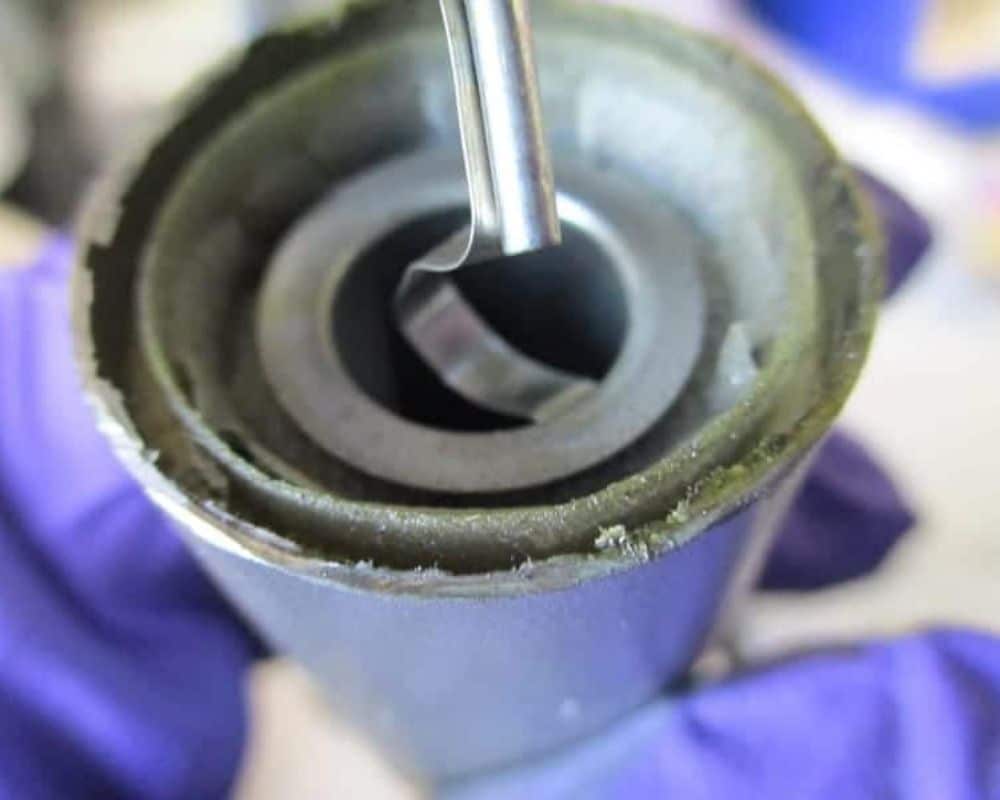
In a secure environment, our experts perform battery design and failure analysis on all types of batteries.
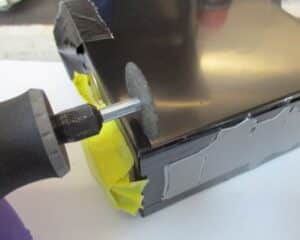
These in-depth investigations include battery disassembly and defect identification, physicochemical analysis of battery components, as well as non-destructive testing. Our services also encompass battery system and installation audits, and specialized training programs.
SERMA provides its customers, including court-appointed experts, legal professionals, and insurance companies, with a comprehensive post-mortem analysis solution, enabling the accurate identification of the root causes of battery-related incidents.
SERMA’s Battery Failure Analysis Services
SERMA Group offers a comprehensive range of failure analysis services dedicated to batteries and Battery Management Systems (BMS).
Our experts support customers throughout the entire product lifecycle, helping to identify the root causes of failures, improve design reliability, and enhance operational safety.
All battery technologies can be investigated in our state-of-the-art laboratories.
Our expertises:
- Failure analysis of damaged or failed batteries and battery systems
- Risk analysis of new battery products and Battery Management Systems (BMS)
- Fault tree analysis (FTA) and hypothesis assessment
- Battery design and construction analysis (competitive benchmarking and product compliance)
- Failure reproduction testing and analysis of aged batteries
- Technical support for product improvement and design optimization
- Training on battery failure analysis and industry best practices
- Technical support for court-appointed experts and legal investigations
- Target Audience: System integrators, battery and cell manufacturers, court-appointed experts, law firm, insurance companies, procurement departments
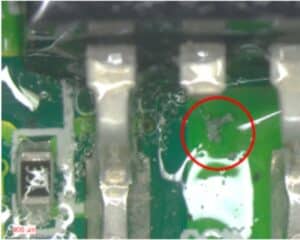
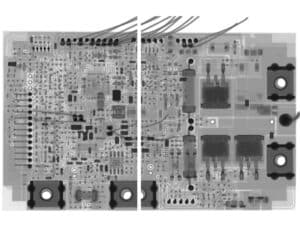


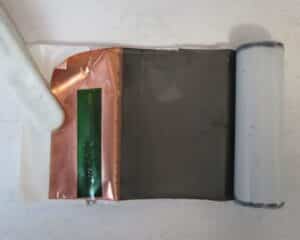

Battery chemistries tested and analyzed
We analyze and test the following battery chemistries in our laboratories:
- Lithium-ion (Li-ion)
- Lithium metal
- Sodium-ion (Na-ion)
- Lead-acid
- Nickel-cadmium (Ni-Cd)
- Nickel-metal hydride (NiMH)
- Primary lithium batteries (Li-SOCl₂ and Li-MnO₂) for high-temperature applications
Failure analysis at the service of innovation: Zoom on B.E.T
The insights gained from these design and failure analyses are a powerful driver for continuous product improvement, providing valuable input for our Technical Design Office (BET) teams.
What is the role of the B.E.T?
The Technical Design Office supports industrial companies at every stage of their electrification projects, from concept development through industrialization. It offers a comprehensive end-to-end service designed to help customers optimize the performance, reliability, and robustness of their batteries and electronic systems.
Case Study: Root Cause Analysis of a fire at a photovoltaic plant equipped with Lithium battery energy storage in Corsica
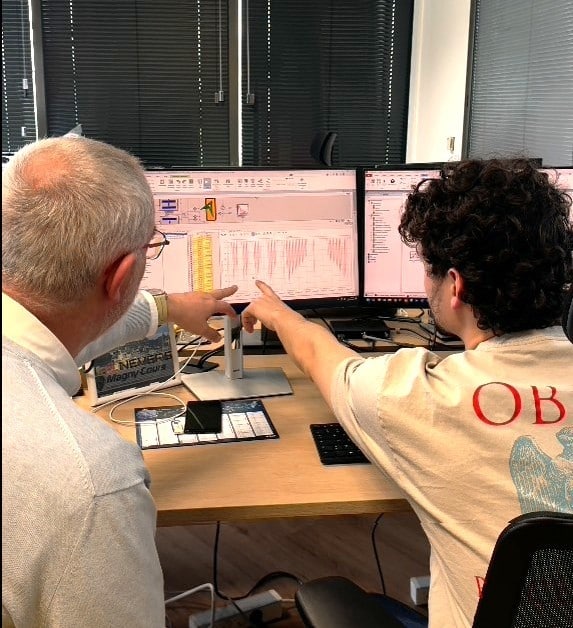
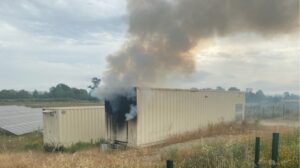
Our experts carried out an on-site investigation to perform a comprehensive root cause analysis of the failure. The investigation combined technical assessments, examination of the affected equipment and fire debris, and a thorough review of the operating conditions and site context.
Why is failure analysis important?
When a battery or battery system exhibits abnormal behavior, such as performance degradation, loss of functionality, swelling, or even a fire, the objective is not only to identify the defects and assess their severity, but also to understand why the failure occurred.
The root cause may lie in a design flaw, a manufacturing defect, inadequate Battery Management System (BMS) control, improper system integration, or unexpected degradation mechanisms.
Battery failures can lead to serious safety hazards, including fires, explosions, and complete system failure. They may also expose organizations to significant financial losses, legal liabilities, and long-term reputational damage.
Battery failure analysis is therefore essential to identify the true root cause of the problem, prevent similar incidents from recurring, reduce field failure and warranty costs, improve safety, quality, and performance, and strengthen customer confidence.